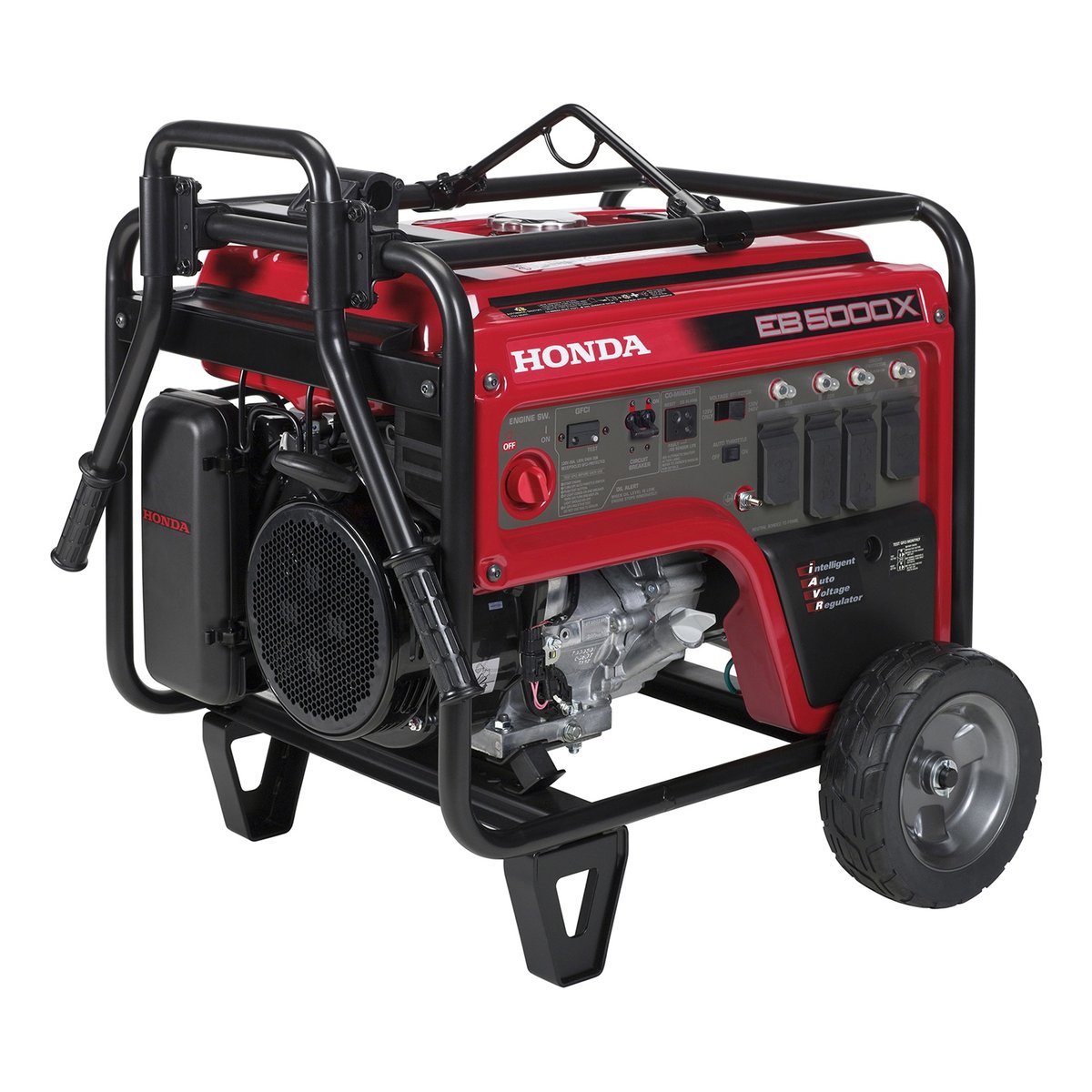
When the power goes out, a Honda 5000 watt generator can be a lifesaver, keeping your home running smoothly. But this powerful piece of equipment also carries significant risks if not handled correctly. Understanding and strictly following the Safety Guidelines for Honda 5000 Watt Generators isn't just a recommendation—it's essential to prevent accidents, injuries, and even fatalities. Think of it as your personal shield against the hidden dangers of power generation.
This guide is designed to cut through the jargon and give you practical, actionable advice. We'll explore the unique safety features of models like the Honda EM5000SXK3AN and walk you through crucial precautions to ensure your peace of mind and the safety of everyone around you.
At a Glance: Your Quick Safety Checklist
- Never Indoors: Always run your generator OUTSIDE, far from windows, doors, and vents.
- Stay Dry: Keep your generator away from moisture to prevent electrocution.
- Cool Down Before Fueling: Gasoline is highly flammable; let the engine cool before refueling.
- Proper Connections: Use a transfer switch for home backup to avoid backfeeding the grid.
- Monitor CO: Even with CO-MINDER™, always use separate CO detectors and respect warning signs.
- Read the Manual: Your Honda owner's manual is your ultimate safety resource.
Unpacking the Core Risks: Why Safety is Non-Negotiable
Generators like the Honda 5000 watt series are incredibly robust and reliable, designed for demanding tasks. However, their very nature—producing electricity and burning fuel—introduces three primary hazards that demand your utmost respect and vigilance: carbon monoxide (CO) poisoning, electrocution, and fire/burns.
The Silent Killer: Carbon Monoxide Poisoning
Generator exhaust, much like car exhaust, contains carbon monoxide (CO)—a toxic, colorless, and odorless gas. You can't see it, smell it, or taste it, but it can render you unconscious and be fatal in minutes. It's the most insidious threat associated with generator use.
Early symptoms of CO poisoning often mimic the flu: a headache, fatigue, shortness of breath, nausea, and dizziness. Continued exposure quickly escalates to loss of muscular coordination, loss of consciousness, and ultimately, death. This is why prevention is paramount.
The Jolt of Danger: Electric Shock and Electrocution
A Honda 5000 watt generator produces substantial electrical power, enough to cause serious injury or death if handled improperly. The risks multiply when electricity meets moisture or when connections are made incorrectly.
Using your generator in wet conditions—be it rain, snow, or near standing water—creates an immediate electrocution hazard. Touching a generator with wet hands or allowing it to get wet dramatically increases your risk. Furthermore, connecting a generator directly to your home's electrical system without a proper transfer switch can send electricity back into the utility lines, a dangerous phenomenon known as "backfeeding," which puts utility workers at extreme risk.
The Fiery Threat: Fire and Burns
Generators get hot. Very hot. Their mufflers and other engine parts can reach temperatures capable of causing severe burns during operation and for a significant time afterward. Compounding this, the fuel used, gasoline, is extremely flammable, and its vapors can explode with even a small spark. This combination makes fire and burn prevention critical.
Keeping flammable materials too close, refueling a hot or running engine, or improper fuel storage are all recipes for disaster.
Proactive Safety Measures: Your Generator Checklist
Now that we understand the risks, let's equip you with the practical steps to mitigate them. These guidelines are drawn directly from Honda's expert recommendations and general electrical safety standards.
Where to Set Up Your Generator: Mastering CO Prevention
Your generator's location is the single most important factor in preventing carbon monoxide poisoning.
- Go Outdoors, Always: This cannot be stressed enough. Never operate a generator inside a house, garage, basement, crawl space, or any enclosed or partially enclosed space. This includes sheds, carports, and even tents. Even with doors and windows open, CO can build up to dangerous levels.
- Maintain Distance: Place your generator far away from windows, doors, and vents. The exhaust can easily seep into your home through these openings. A good rule of thumb is at least 15-20 feet away from any structure.
- Choose an Open Area: Select a spot where exhaust fumes can disperse freely into the open air. Ensure there's nothing obstructing the exhaust flow.
- Mind the Wind: If possible, position your generator downwind from your home to further reduce the chance of fumes drifting inside.
- Install CO Alarms: While your Honda 5000 watt generator may feature advanced CO detection (more on that below), always install battery-operated carbon monoxide alarms in your home, especially near sleeping areas. Test them regularly. These are your crucial secondary line of defense.
Handling Electrical Connections Safely: Electrocution Prevention
Connecting your generator correctly is vital for both your safety and that of utility workers.
- Keep it Dry: Always operate your generator on a dry surface under an open, canopy-like structure if rain or snow is expected. Never operate it in standing water or with wet hands. Your Honda 5000 watt generator is designed for outdoor use but not necessarily direct exposure to heavy precipitation.
- Isolate Generator Power for Home Use: If you plan to power your home's electrical system directly, you must have a qualified electrician install a manual transfer switch. This device physically isolates your generator's power from the utility grid, preventing backfeeding. Do NOT plug your generator directly into a wall outlet in your home (known as "backfeeding" through an appliance cord) or use a "suicide cord." These practices are extremely dangerous and illegal.
- Understand Load Capacity: Ensure the appliances you connect do not exceed the generator's wattage capacity. While models like the Honda EM5000SXK3AN offer 5000 watts continuous and a brief 7000-watt surge for starting, overloading can damage the generator and pose a fire risk. You can explore Honda 5000 watt generators further to understand specific model capacities.
- Use Proper Extension Cords: Use only heavy-duty, outdoor-rated extension cords that are rated for the load they will carry. Inspect cords for damage before each use. Never run cords under rugs or through doorways where they can be pinched or damaged.
Fueling and Operation Best Practices: Fire and Burn Prevention
Gasoline is highly volatile, and generator components get extremely hot. Mishandling either can lead to severe burns or fires.
- Cool Down Before Refueling: Never refuel a generator while it's hot or running. Hot engine parts can ignite spilled gasoline vapors. Allow the generator to cool completely—typically 15-20 minutes after shutdown—before adding fuel.
- Refuel Outdoors and Ventilated: Always refuel outdoors in a well-ventilated area, away from any ignition sources.
- Avoid Overfilling: Do not overfill the fuel tank. Leave a little space for fuel expansion.
- No Smoking, No Sparks: Keep flames, sparks, and smoking materials far away from your generator and fuel.
- Store Fuel Safely: Store gasoline in an approved, clearly labeled container, away from living areas and any potential ignition sources. Never store fuel indoors.
- Keep Clear: Maintain at least three feet (one meter) of clearance around the generator from buildings, other equipment, and flammable materials (e.g., dry leaves, curtains, trash cans). This ensures adequate cooling and prevents fire spread.
- Hot Muffler Alert: Do not touch the muffler or other hot engine parts while the generator is running or immediately after it has been shut off. Let the engine cool down completely before handling or moving the unit.
- Spark Arrestor: Your Honda generator comes with a USDA-qualified spark arrestor/muffler. Keep it in good condition to prevent sparks from igniting nearby flammable materials.
Leveraging Your Honda's Advanced Safety Features
Honda generators are engineered with thoughtful safety features designed to add layers of protection. Understanding them helps you use your machine more safely and confidently.
The CO-MINDER™ Advantage
Models like the Honda EM5000SXK3AN are equipped with Honda's innovative CO-MINDER™ advanced carbon monoxide detection system. This isn't just a basic sensor; it's designed to continuously monitor CO levels in the air around the generator. If dangerous CO levels are detected near the unit, the CO-MINDER™ will automatically shut down the generator.
This system is an invaluable safety net, providing an additional layer of protection, particularly if exhaust fumes unexpectedly drift into an unsafe area. However, it's crucial to remember that CO-MINDER™ is a secondary safety feature. It does not replace the primary rule: ALWAYS operate your generator OUTSIDE, far from openings. The system is designed to react when dangerous levels are already present near the generator, not to prevent all CO exposure if the generator is improperly placed.
Other Built-in Protections
Honda 5000 watt generators often include a suite of other features that contribute to safer operation:
- Honda Oil Alert®: This system automatically shuts the engine off if the oil level drops below a safe operating limit, protecting the engine from damage and preventing potential fire hazards from overheating.
- GFCI Protection: Many Honda generators, including the EM5000SXK3AN, feature Ground Fault Circuit Interrupter (GFCI) protection on their outlets. This rapidly trips the circuit if it detects a ground fault, significantly reducing the risk of electrocution.
- Electronic Circuit Breakers: These protect the generator from damage due to overloading and prevent attached appliances from being damaged by excessive current.
- Covered Outlets: Outlets are often covered to protect them from dirt and moisture, further enhancing electrical safety.
- Full Frame Protection & Reinforced Legs: These design elements protect the generator's internal components from damage and contribute to stability during operation.
- Honda My Generator App: For models with Bluetooth® capability, the My Generator app allows you to monitor operation (like run time and power output) and receive service reminders remotely. This means you can check on your generator from a safe distance, minimizing your exposure to the operating unit.
Common Mistakes to Avoid
Even with the best intentions, it's easy to overlook crucial safety steps. Here's a quick rundown of common generator safety mistakes:
- Running it in the garage (even with the door open): CO can still build up. Don't do it.
- Refueling a hot engine: A spill can instantly ignite. Be patient; let it cool.
- Overloading the generator: Can trip breakers, damage the generator, or create fire hazards.
- Using undersized or damaged extension cords: Risk of overheating and fire.
- Connecting directly to your home's electrical panel: This is backfeeding, illegal, and extremely dangerous. Always use a transfer switch installed by a qualified electrician.
- Ignoring CO alarm symptoms: If you or anyone experiences symptoms like headache or nausea, get fresh air immediately and seek medical attention.
- Placing the generator too close to the house: Exhaust fumes can enter through windows or vents.
- Operating in wet weather without protection: Increases electrocution risk.
What to Do in an Emergency
Even with all precautions, accidents can happen. Knowing what to do can make all the difference.
- Carbon Monoxide Exposure: If you suspect CO exposure (headache, dizziness, nausea, etc.), immediately move yourself and anyone else to fresh air. Open windows and doors. Seek medical attention right away.
- Electrical Shock: If someone is being shocked, do not touch them if they are still in contact with the power source. Immediately turn off the generator or disconnect the power source if safe to do so. Call emergency services.
- Fire: If a small fire starts, use an appropriate fire extinguisher (Class B for flammable liquids). If the fire is large or out of control, evacuate immediately and call the fire department. Never put water on a gasoline fire.
Getting Started Safely: Your First Step
Before you even start your Honda 5000 watt generator for the first time, take the time to read the owner's manual cover to cover. It contains detailed instructions specific to your model (e.g., EM5000SXK3AN) regarding setup, operation, maintenance, and crucial safety warnings. This manual is your most important safety tool, written by the engineers who designed your equipment.
Pay special attention to all safety labels on the generator itself. These are there for a reason and provide quick reminders of critical precautions.
Powering Up with Confidence
Your Honda 5000 watt generator is a powerful and reliable asset, capable of providing much-needed electricity during outages or for demanding projects. By internalizing and consistently applying these robust safety guidelines, you're not just protecting your equipment; you're safeguarding lives and property. Operate your generator with the respect and vigilance it demands, and you'll enjoy its benefits safely and effectively for years to come.